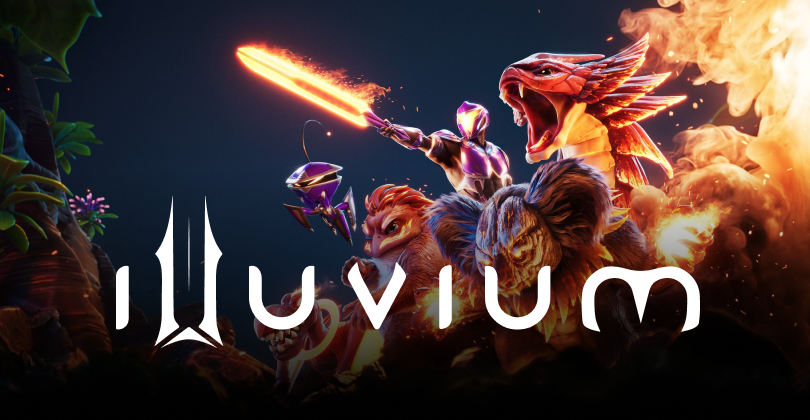
In the ever-evolving world of blockchain gaming, Illuvium review 2026 searches are spiking as players seek the latest on this ambitious project. Illuvium promises AAA-quality experiences fused with NFTs and crypto economics, drawing comparisons to Pokémon meets Auto Chess on Ethereum.
As of February 2026, with ILV trading around $4 and recent town halls unveiling 2026 roadmaps, is Illuvium finally delivering? This comprehensive Illuvium game review dives into gameplay, economy, pros/cons, and whether it’s worth your time—or investment.
What is Illuvium? Ecosystem Overview, Illuvium is a decentralized universe of interconnected games built on Immutable zkEVM for gasless, scalable play. Core pillars include:
- Illuvium Arena: A competitive 8-player autobattler where teams of NFT creatures (Illuvials) clash in ranked PvP. Matches are quick, strategic, and rewarding with XP, ILX (in-game currency), and tournament prizes.
- Illuvium Overworld: Open-world RPG for exploration, capturing Illuvials, mining resources, and PvP arenas. Currently in MMO testing phase with “full swing” alpha access via Discord whitelists—showing seamless group combat and dynamic biomes like Brightland Steppes.
- Illuvium Zero: City-builder and economic simulator turning strategy into player-driven markets. Features land NFTs for resource extraction, buildings, and Megacity expansions. 2026 roadmap includes zkEVM migration, Fuel/Skin mechanics, and deeper ecosystem ties.
- Illuvium Beyond: Emerging mode teased in town halls, potentially expanding the metaverse.
Powered by Unreal Engine, Illuvium boasts photorealistic graphics, adaptive music, and on-chain ownership. Download via Epic Games Store or illuvium.io (web3 wallet required for full features). Free-to-play entry with optional NFT purchases on IlluviDEX marketplace.
Illuvium Arena Review: Polished PvP Core, Illuvium Arena is the most mature title, live since 2022 with constant updates. Gameplay revolves around team composition: 100+ Illuvials across five classes (Fighter, Guardian, Rogue, Psion, Empath) and elemental affinities (Fire, Water, etc.) create rock-paper-scissors synergies. Position units, manage energy for ultimates, and watch deterministic battles unfold—replayable via replays. Recent buffs: 3x XP per match (no Battle Pass needed), instant queues proving healthy activity (better than some AAA titles), and big prize pools like 400k ILX. Seasons feature balancing passes and enhanced stability.
Pros:
- Addictive 10-15 minute matches.
- Deep strategy without micro-management.
- Earn ILX/sILV2 for staking or upgrades.
Cons:
- Steep learning curve for meta teams.
- NFT costs for top-tier Illuvials (~$50-500).
Verdict: 8.5/10. Arena shines for competitive players; daily active users sustain lively lobbies.
Illuvium Overworld Beta: Stunning but Inspired by Pokémon, Illuvium Overworld lets you roam alien biomes, capture wild Illuvials (minting NFTs), mine with drones, craft gear, and fuse evolutions. Beta feedback praises Unreal Engine visuals—volumetric fog, unique regions, cinematic battles—but notes economy risks like shifting capture rates. 2026 updates: MMO alpha with group synergies (e.g., Atlas energy linking), Hearts Ablaze events. Testing shows fluid combat: dodging, jumping AI, immersive sound. Overworld as it is will be shutdown when MMO Lite launches.
- Breathtaking exploration.
- Fair-launch captures (no P2W start).
Cons:
- Beta bugs, limited regions.
- Grind-heavy progression.
Verdict: 7.5/10. Promising for explorers; full release could rival Genshin Impact with web3 twists.
Illuvium Zero: Economy Simulator with Potential Illuvium Zero blends city-building and risk-to-earn. Own NFT land, build extractors, trade resources in a connected economy. Mobile-friendly (Google Play/App Store), but reviews cite bugs and unresponsive support. January 2026 town hall: zkEVM upgrade for scalability, new loops like Fuel economy. Ties into Overworld for cross-game value.
|
Aspect
|
Rating
|
Notes
|
|---|---|---|
|
Graphics
|
9.5/10
|
Unreal Engine mastery |
|
Gameplay Depth
|
8/10
|
Synergies shine
|
|
Economy
|
7/10
|
Volatile but innovative
|
|
Accessibility
|
8/10
|
F2P friendly
|
|
Community
|
8.5/10
|
Active Discord/X @illuviumio
|
Pros and Cons of Illuvium 2026.
Pros:
- AAA visuals and polish.
- Interconnected ecosystem.
- True ownership, zero-fee trades.
- Responsive devs (XP buffs, town halls).
Cons:
- Standard Crypto risks (ILV dumps).
- Development delays
- P2W for elites.
Is Illuvium Worth Playing in 2026? Yes—for web3 enthusiasts. Arena delivers now; Overworld/Zero build hype. Start free, buy ILV if you are bullish. Steady Arena queues, growing MMO tests—1.5M+ historical signups.
Final Score: 8/10. Illuvium’s roadmap positions it as web3’s flagship. Dive in via illuvium.io—future-proof your gaming.