basics

Blockchain Basics
Blockchain is a decentralized digital ledger that records transactions across a network of computers in a secure, transparent, and tamper-resistant way. Imagine a shared notebook where everyone can see and add entries, but once written, nothing can be erased or changed without agreement from the majority.
At its core, data is stored in “blocks.” Each block contains a list of transactions (like sending cryptocurrency, recording ownership, or logging supply chain events), a timestamp, and a unique cryptographic hash—a digital fingerprint. This hash links to the previous block, forming an unbreakable chain. Altering any block would change its hash, breaking the chain and alerting the network.
The system runs on thousands of computers (nodes) worldwide, with no single authority in control. New blocks are added through consensus mechanisms—rules ensuring agreement.
Popular ones include Proof of Work (miners solve complex puzzles, as in Bitcoin) and Proof of Stake (validators stake assets, more energy-efficient, used by Ethereum since 2022). Key advantages include immutability (records can’t be retroactively changed), transparency (anyone can verify the ledger), and trustlessness (no need for intermediaries like banks).
Beyond cryptocurrencies, blockchain powers decentralized finance (DeFi), supply chain tracking, digital identities, NFTs, and more. By 2026, it’s evolving into modular systems, integrating with AI, and seeing massive enterprise adoption for secure, efficient data sharing—transforming industries without relying on central gatekeepers.
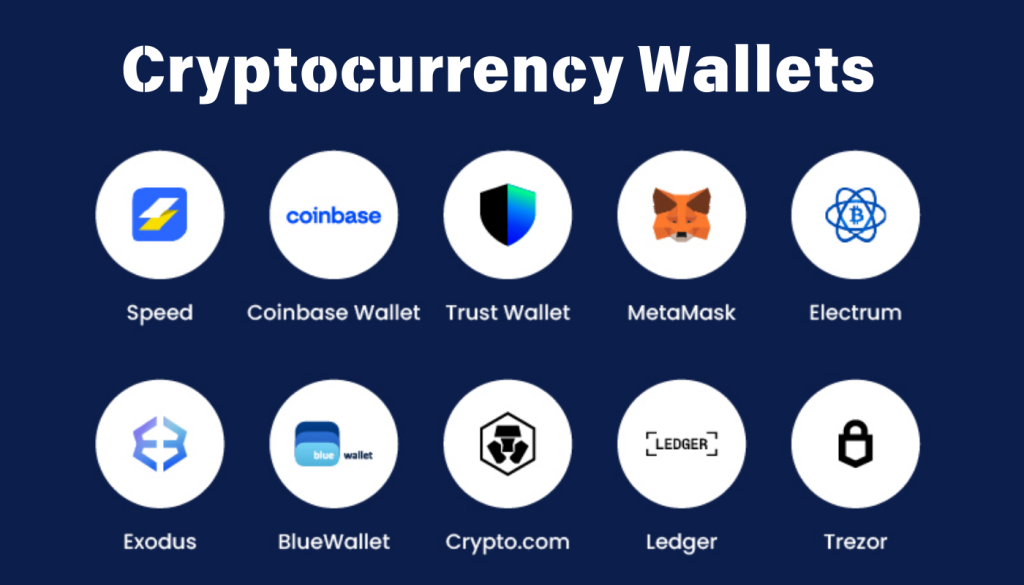
Blockchain Wallets
A blockchain wallet (often called a crypto wallet) is the essential tool for interacting with blockchains. It doesn’t store your cryptocurrencies like a physical wallet holds cash—instead, it securely manages your private keys (secret codes proving ownership) and public addresses (like account numbers for receiving funds). Your actual assets live on the blockchain ledger; the wallet simply grants access to view balances, send/receive tokens, and sign transactions.Wallets come in two main categories based on connectivity:
- Hot wallets stay online (e.g., mobile apps like Trust Wallet, Phantom, or browser extensions like MetaMask). They’re convenient for daily use, DeFi interactions, NFTs, quick trades, and connecting to dApps. Popular in 2026 for seamless multi-chain support and features like built-in swaps or staking. However, being internet-connected makes them more vulnerable to phishing, malware, or hacks—best for smaller amounts or active use.
- Cold wallets keep private keys offline for maximum security (ideal for long-term holdings). Hardware wallets like Ledger Nano S Plus, Trezor Safe 3, or Tangem cards dominate this space in 2026, offering air-gapped signing, seed phrase backups, and support for thousands of assets. Paper wallets (printed keys) are an ultra-basic cold option but risk physical loss or damage.