
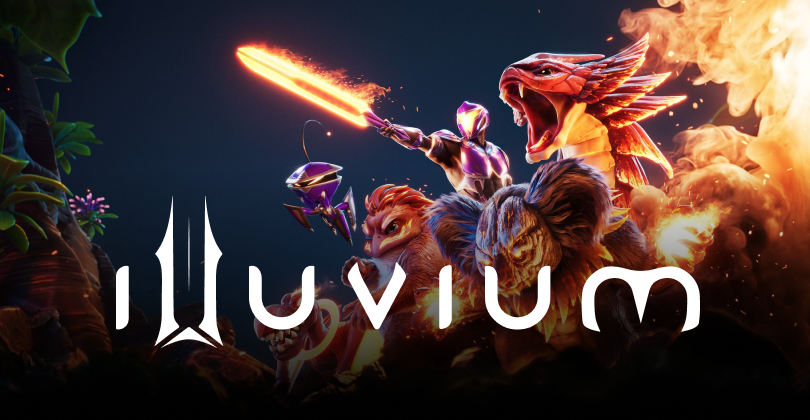
In the ever-evolving world of blockchain gaming, Illuvium review 2026 searches are spiking as players seek the latest on this ambitious project. Illuvium promises AAA-quality experiences fused with NFTs and crypto economics, drawing comparisons to Pokémon meets Auto Chess on Ethereum.
As of February 2026, with ILV trading around $4 and recent town halls unveiling 2026 roadmaps, is Illuvium finally delivering? This comprehensive Illuvium game review dives into gameplay, economy, pros/cons, and whether it’s worth your time—or investment.
What is Illuvium? Ecosystem Overview, Illuvium is a decentralized universe of interconnected games built on Immutable zkEVM for gasless, scalable play. Core pillars include:
Powered by Unreal Engine, Illuvium boasts photorealistic graphics, adaptive music, and on-chain ownership. Download via Epic Games Store or illuvium.io (web3 wallet required for full features). Free-to-play entry with optional NFT purchases on IlluviDEX marketplace.
Illuvium Arena Review: Polished PvP Core, Illuvium Arena is the most mature title, live since 2022 with constant updates. Gameplay revolves around team composition: 100+ Illuvials across five classes (Fighter, Guardian, Rogue, Psion, Empath) and elemental affinities (Fire, Water, etc.) create rock-paper-scissors synergies. Position units, manage energy for ultimates, and watch deterministic battles unfold—replayable via replays. Recent buffs: 3x XP per match (no Battle Pass needed), instant queues proving healthy activity (better than some AAA titles), and big prize pools like 400k ILX. Seasons feature balancing passes and enhanced stability.
Pros:
Cons:
Verdict: 8.5/10. Arena shines for competitive players; daily active users sustain lively lobbies.
Illuvium Overworld Beta: Stunning but Inspired by Pokémon, Illuvium Overworld lets you roam alien biomes, capture wild Illuvials (minting NFTs), mine with drones, craft gear, and fuse evolutions. Beta feedback praises Unreal Engine visuals—volumetric fog, unique regions, cinematic battles—but notes economy risks like shifting capture rates. 2026 updates: MMO alpha with group synergies (e.g., Atlas energy linking), Hearts Ablaze events. Testing shows fluid combat: dodging, jumping AI, immersive sound. Overworld as it is will be shutdown when MMO Lite launches.
Cons:
Verdict: 7.5/10. Promising for explorers; full release could rival Genshin Impact with web3 twists.
Illuvium Zero: Economy Simulator with Potential Illuvium Zero blends city-building and risk-to-earn. Own NFT land, build extractors, trade resources in a connected economy. Mobile-friendly (Google Play/App Store), but reviews cite bugs and unresponsive support. January 2026 town hall: zkEVM upgrade for scalability, new loops like Fuel economy. Ties into Overworld for cross-game value.
|
Aspect
|
Rating
|
Notes
|
|---|---|---|
|
Graphics
|
9.5/10
|
Unreal Engine mastery |
|
Gameplay Depth
|
8/10
|
Synergies shine
|
|
Economy
|
7/10
|
Volatile but innovative
|
|
Accessibility
|
8/10
|
F2P friendly
|
|
Community
|
8.5/10
|
Active Discord/X @illuviumio
|
Pros and Cons of Illuvium 2026.
Pros:
Cons:
Is Illuvium Worth Playing in 2026? Yes—for web3 enthusiasts. Arena delivers now; Overworld/Zero build hype. Start free, buy ILV if you are bullish. Steady Arena queues, growing MMO tests—1.5M+ historical signups.
Final Score: 8/10. Illuvium’s roadmap positions it as web3’s flagship. Dive in via illuvium.io—future-proof your gaming.
Splinterlands is a leading Web3 trading card game (TCG) launched in 2018 on the Hive blockchain. For players familiar with Hearthstone or Magic: The Gathering who seek true ownership of their cards as NFTs, Splinterlands offers a compelling alternative with decentralized trading and play-to-earn mechanics.
Gameplay Overview:
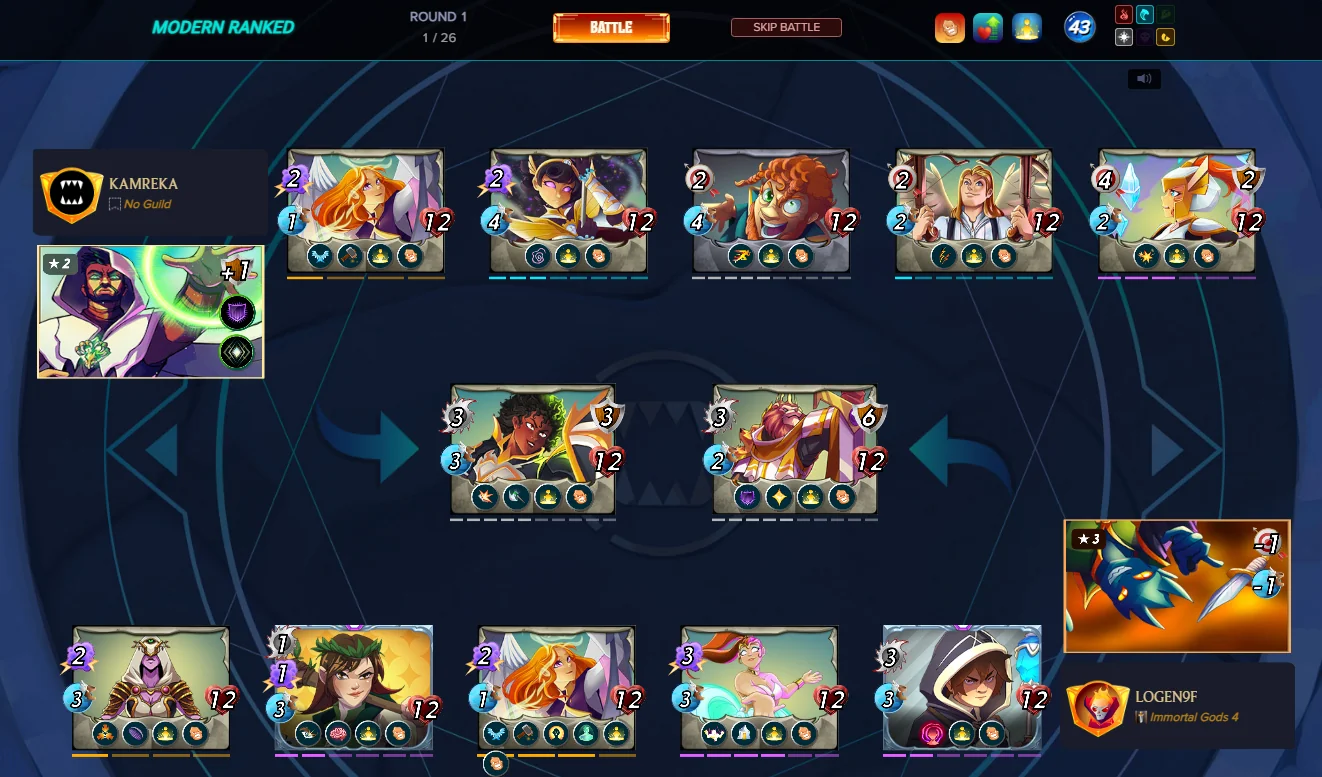
Matches are concise, lasting 3-6 minutes. Players construct teams of up to six monsters led by a summoner, selecting from elemental splinters (e.g., fire, water, death, life, earth, dragon and neutrals). Cards feature detailed stats, abilities, and levels. Dynamic rulesets rotate per battle (e.g., no magic damage, melee-only, mana caps), demanding adaptive deck-building, synergy exploitation, and meta prediction. Battles auto-resolve in real-time animations. Modes include ranked ladders, tournaments with significant prize pools in DEC/SPS, guild brawls, and wildcard formats. Accessible via web or mobile with no downloads required.
Web3 Integration:
All cards are NFTs, enabling rental for free-to-play users or purchase of premium assets. Rewards include DEC (in-game token, ~$0.0006 – 0.0009 as of January 2026) from victories and quests, plus SPS (governance token, ~$0.008) staking for airdrops and voting. The ongoing Land expansion introduces resource gathering (e.g., Wood, Stone, Iron, Aura) for crafting and upgrades. The marketplace supports 24/7 trading. Peak daily active users exceeded hundreds of thousands in 2021; current averages hover at ~4,700, reflecting a dedicated core community.
Strengths: Deep strategic depth with frequent meta shifts rewarding skillful adaptation. Free-to-play accessible via starter decks effective against bots in lower ranks. Spellbook buy for 10$ provides Hive account, ranked access and rentals for competitive viability. Active tournaments, guilds, and community events. Nominated for Best Card Game at the 2025 Blockchain Game Awards and won.
Genuine asset ownership allows liquidation of collections for real value.
Weaknesses: High-level competition favors rented or purchased power cards (starter packs ~$5-50). Lower ranks often feature bots (~95% matchmaking). Earnings diminished post-2021 bull market (minimal daily yields outside top percentiles) Meta evolution requires ongoing adaptation and deck upgrades. Player base contracted from historical peaks, though sustained by loyal participants.
Verdict: 8.5/10. An excellent choice for TCG enthusiasts integrating blockchain ownership. Begin for free at splinterlands.com and explore its enduring relevance.
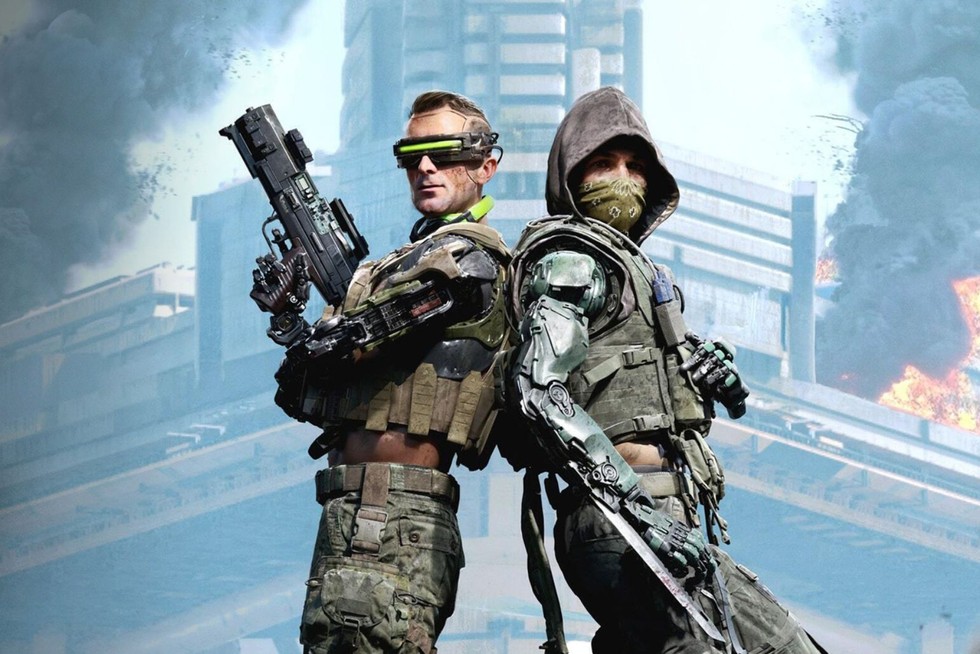
Off the Grid: A Web2 Veteran’s Dive into the Cyberpunk Blockchain Battlefield. I’ve been reviewing games for over two decades—back when “online multiplayer” meant dialing up on a 56k modem and praying your parents didn’t pick up the phone. From the gritty realism of the original Call of Duty to the chaotic candy-colored frenzy of Fortnite, I’ve seen the evolution of shooters: tighter gunplay, bigger maps, battle passes that feel like slot machines. Web2 gaming is polished, centralized, and publisher-controlled—buy your skins, grind your tiers, and pray the servers don’t melt on launch day. But Web3? That’s the wild promise of true ownership. No more Valve or Epic hoarding your $60 cosmetic; instead, blockchain lets you own assets as NFTs, trade them peer-to-peer, build real economies where your grind has resale value. It’s decentralized utopia: play-to-earn without the pyramid-scheme stink, interoperability across games, and player-driven markets. The catch? Most Web3 games botch it—pay-to-win scams disguised as “innovation,” or clunky UIs that scare off normies. Enter Off the Grid (OTG), Gunzilla Games’ cyberpunk extraction royale. Does it bridge the gap, or is it another NFT rug-pull in shooter clothing?
Directed by Neill Blomkamp (District 9), OTG drops you on Teardrop Island, a dystopian playground where 150 players (PvP or PvE) scrap for loot in third-person battles. Parachute in, scavenge futuristic weapons (3D-scanned for insane detail), swap cybernetic limbs for abilities like cloaking or drone swarms, extract valuables, and survive the shrinking zone. It’s battle royale 2.0: extraction-focused like Tarkov meets Fortnite’s mobility, with a satirical nod to streamer culture (think in-game “feeds” mocking TikTok egos). Solo campaign promises 60 hours of Blomkamp-penned lore, but multiplayer’s the star—crossplay across PC (Epic/Steam), PS5, and Xbox.
Graphically? Unreal Engine 5 flexes hard—neon-drenched cyberpunk vistas, ray-traced reflections on chrome limbs, destruction that feels alive. Gunplay snaps: tight recoil, satisfying headshots, limb-swaps add tactical depth (rip off an arm for a shield bash?). Movement’s fluid, if a tad floaty early on. Sound design pumps—thudding bass drops, cybernetic whirs—but that announcer? Edgy trash-talk like “chickenshit pussies” gets old fast.
Now, the Web3 sauce: GUNZ blockchain (Avalanche-powered) lets you mint extracted loot as NFTs called Hexes—weapons, skins, rare limbs—trade ’em on OpenSea for GUNZ tokens. It’s optional: Play F2P without a wallet, but opt-in for ownership. No Steam/PS/Xbox crypto (platform rules), but Epic’s your portal to the economy. This nails Web3’s goal—your $20 golden gun isn’t locked in Gunzilla’s vault; sell it to fund the next meta. Recent mainnet migration spiked 50k+ DAUWs, 7.9M NFTs minted, $285k traded. Awards back it: 2025 GAM3s swept GOTY (2nd year), Best Shooter, Multiplayer, eSports, Action.
Pros: Killer visuals and gun feel in a bloated BR genre.
Limb mechanics innovate without overwhelming.
Web3 done right: Optional, seamless, enables fun (trade your trash loot).
Constant updates: Narrative missions, battle pass rework, themed events.
Crossplay lobbies hit 12k+ Steam peaks.
Cons:Early Access woes: Bugs, optimization (needs RTX 3060 min), bot-filled queues.
P2W whispers—rare NFTs edge out freebies, though balanced by skill.
Mixed Steam (55% positive, 1.6k reviews): “Sweaty,” retention dips.
OTG isn’t CoD-level polish yet, but it’s the best Web3 shooter I’ve seen—gameplay-first, blockchain as bonus. Web3’s achieving escape velocity here: Ownership without gatekeeping. If Gunzilla fixes the jank, this could redefine BRs.Score: 8/10